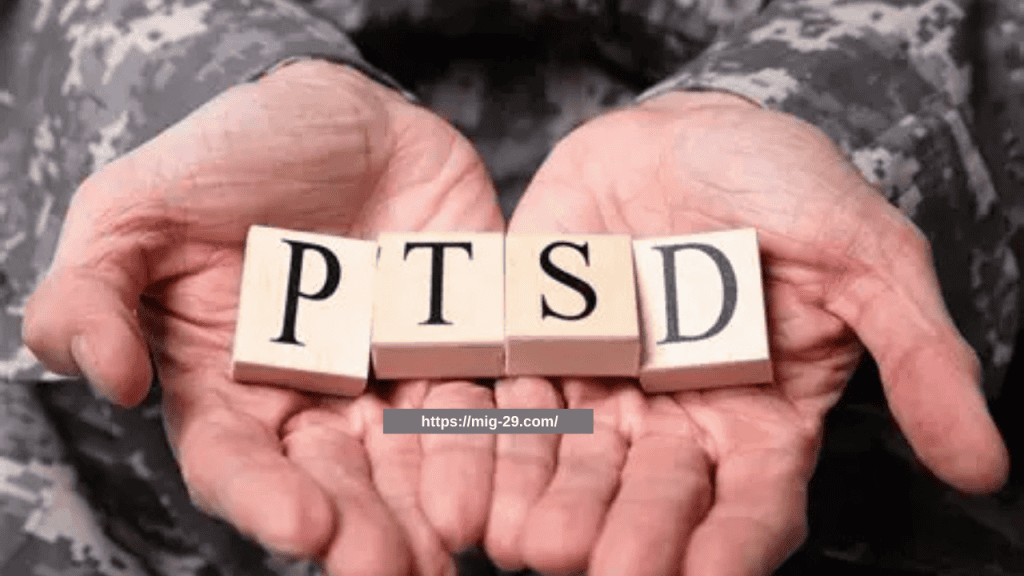
Invisible Battles: How PTSD Fuels Addiction in Returning Veterans

The end of military service often marks the beginning of a new chapter, but for many veterans, it also brings hidden struggles. While physical wounds may heal, emotional scars can linger long after deployment. Post-Traumatic Stress Disorder (PTSD) is one of the most common challenges veterans face when returning home, and it can make the transition to civilian life overwhelming. Too often, PTSD and addiction go hand in hand, creating invisible battles that affect not only veterans but also their families. Understanding this connection is the first step toward meaningful recovery and lasting healing.

The Link Between PTSD and Substance Abuse

PTSD Symptoms That Drive Addiction

PTSD can cause nightmares, flashbacks, hypervigilance, and severe anxiety. For many veterans, alcohol or drugs become a way to temporarily quiet the chaos of the mind. Substances may seem to provide relief from insomnia, intrusive memories, or emotional numbness. Unfortunately, this reliance often turns into dependency, which complicates both the mental health condition and the addiction.

The Cycle of Self-Medication

When substances are used to mask PTSD symptoms, the underlying trauma remains untreated. Over time, this cycle deepens, making both conditions worse. Breaking free requires professional, integrated treatment that addresses trauma and substance use simultaneously.

Why Dual Diagnosis Care Matters

Treating PTSD and Addiction Together

Veterans need treatment that recognizes the connection between trauma and addiction. Dual diagnosis care ensures that both conditions are treated side by side. Ignoring one while focusing on the other increases the risk of relapse and prolongs the struggle.

Inpatient and Outpatient Options

MIG-29 offers both inpatient and outpatient treatment programs, allowing veterans to choose the level of care that fits their needs. Inpatient programs provide a safe, structured environment for intensive healing, while outpatient care allows for flexibility and continued connection with family and community. Both approaches emphasize individualized support and professional guidance.

Holistic and Faith-Based Healing

Addressing the Whole Person

Addiction recovery is not only about eliminating substances. It is about healing the mind, body, and spirit. MIG-29 incorporates evidence-based therapies such as Cognitive Behavioral Therapy (CBT) and trauma-focused counseling, along with holistic practices like mindfulness, physical fitness, and creative expression. This well-rounded approach helps veterans develop healthier coping mechanisms that last.

Faith as a Source of Strength

For many veterans, faith provides a foundation of hope and renewal. MIG-29 integrates faith-based support for those who desire it, offering spiritual counseling and encouragement as part of the recovery process. This dimension of care can provide purpose and inner strength during difficult moments.

The Importance of Community and Connection

Isolation is one of the greatest risks for veterans battling PTSD and addiction. Community support is vital in recovery. Veteran-specific groups create a safe environment where shared experiences foster trust, encouragement, and accountability. Rebuilding connection helps veterans feel understood and supported as they work toward healing.

Moving Forward: Reclaiming Life After Service

Recovery from PTSD and addiction is not a quick or simple journey, but it is absolutely possible. With compassionate care, personalized treatment, and a strong support system, veterans can break free from the cycle of trauma and substance use. Life after service does not have to be defined by invisible battles. It can be defined by resilience, renewal, and strength.

Take the First Step Today

If you or someone you love is a veteran struggling with PTSD and addiction, know that there is help and hope. At MIG-29 Recovery, we specialize in holistic, individualized, and faith-based treatment designed to meet veterans where they are and guide them toward lasting recovery. Do not fight this battle alone. Reach out today and begin the journey toward clarity, sobriety, and peace.

After the Uniform: Finding Strength in Sobriety and Mental Health

The end of military service is not always the end of the battle. For many veterans, the transition back into civilian life brings challenges that are less visible but equally demanding. Feelings of disconnection, unresolved trauma, and the weight of new responsibilities can make this adjustment overwhelming. Too often, drugs or alcohol become ways to cope, creating a cycle of dependency that only deepens emotional struggles. Yet, recovery is possible. With the right support, veterans can find strength in sobriety and rebuild their mental health, discovering a new sense of purpose after the uniform.

The Hidden Struggles Veterans Face

Life After Service

When the structure and mission of military life come to an end, many veterans experience a loss of identity. The absence of routine, camaraderie, and a clear sense of duty can leave space for feelings of emptiness. Some may turn to substances as a way to fill the gap, but this often leads to more challenges, not solutions.

PTSD and Addiction

Post-Traumatic Stress Disorder (PTSD) is one of the most common conditions faced by veterans. Nightmares, flashbacks, hypervigilance, and anxiety can feel relentless. When paired with addiction, PTSD creates a cycle that makes recovery harder to achieve without professional, integrated care.

Pathways to Healing and Recovery

Inpatient and Outpatient Programs

At MIG-29 Recovery, treatment is never one-size-fits-all. Inpatient programs provide a safe and structured environment for those who need intensive healing, while outpatient care offers flexibility for veterans balancing family, work, or school responsibilities. Both options ensure veterans receive compassionate, professional support designed to meet them where they are in their journey.

Holistic and Faith-Based Approaches

Sobriety is about more than removing substances. It is about restoring balance across body, mind, and spirit. MIG-29 integrates evidence-based therapies such as Cognitive Behavioral Therapy (CBT) with holistic practices like mindfulness, fitness, and creative outlets. For those who desire it, faith-based support can bring renewed hope and spiritual connection, reinforcing the foundation for long-term recovery.

Individualized Care Plans

Every veteran’s story is unique. That is why individualized treatment is at the heart of effective recovery. Tailored plans address not only addiction but also the underlying trauma, mental health conditions, and personal goals that shape each veteran’s life.

The Power of Community

Veterans often heal best in the company of peers who understand their experiences. Group therapy, mentorship, and veteran-centered support networks create a sense of belonging that mirrors the bonds of service. This community connection helps veterans stay accountable, motivated, and encouraged throughout their recovery.

A New Mission: Life in Sobriety

Recovery is not about erasing the past but about building a meaningful future. Sobriety allows veterans to reconnect with family, pursue new careers, and rediscover personal passions. Mental health treatment equips them with the tools to manage stress, cope with triggers, and navigate challenges with resilience. Together, these steps create a pathway toward renewal and strength beyond the uniform.

Take the First Step Toward Renewal

The transition out of military life may bring challenges, but it also offers an opportunity for growth and healing. At MIG-29 Recovery, we are committed to walking alongside veterans as they face the dual challenges of addiction and mental health. Through holistic, faith-based, and individualized care, true recovery is possible. If you or a loved one is struggling after service, reach out today. The journey to sobriety and clarity begins with a single step, and we are here to guide you forward.

From Combat to Clarity: A Veteran’s Journey to Recovery and Renewal

The transition from military service to civilian life is often more challenging than expected. Many veterans return home carrying unseen wounds that affect their emotional health and daily lives. Trauma, stress, and the pressures of reintegration can sometimes lead to substance use as a way to cope. While this path may feel isolating, there is hope. Recovery is possible, and with the right support, veterans can move from the struggles of combat to the peace of clarity and renewal.

Understanding the Veteran Experience

The Hidden Impact of Trauma

Military service often involves intense environments, combat exposure, and high-stress situations. These experiences can leave lasting psychological effects, including Post-Traumatic Stress Disorder (PTSD), anxiety, and depression. Without effective support, some veterans may turn to drugs or alcohol as a way to self-medicate and temporarily escape the weight of these challenges. Over time, however, substance use only deepens the struggle.

The Dual Challenge of PTSD and Addiction

When PTSD and addiction occur together, the path to recovery can feel complicated. The two conditions feed into one another, creating a cycle that is difficult to break without specialized care. That is why integrated treatment, designed specifically for veterans, is so critical.

The Power of Individualized Care

Inpatient and Outpatient Options

Every veteran’s journey is unique, and treatment must reflect that. Inpatient care provides a structured environment with round-the-clock support, ideal for those needing intensive healing. Outpatient programs offer flexibility, allowing veterans to continue responsibilities at home while still receiving professional care and guidance.

A Holistic Approach to Healing

Healing goes beyond addressing symptoms. Holistic care takes the entire person into account: mind, body, and spirit. This may include evidence-based therapies like Cognitive Behavioral Therapy (CBT) and trauma-focused counseling, as well as mindfulness practices, physical wellness activities, and nutritional guidance. By blending these approaches, veterans can rebuild strength and resilience from the inside out.

Faith-Based Support

For many, faith plays a vital role in recovery. Spiritual guidance can provide a sense of purpose, renewal, and hope that helps sustain sobriety and mental wellness. Faith-based care allows veterans to connect with their beliefs as part of the healing process, creating a powerful foundation for lasting change.

Building a Community of Support

Veterans often find comfort in knowing they are not alone. Recovery programs that foster community support allow individuals to share experiences, learn from others, and grow together. Peer encouragement, group therapy, and veteran-centered programs build a sense of belonging and accountability that strengthens recovery.

The Path Forward: Renewal After Service

Recovery is not just about leaving addiction behind. It is about discovering new purpose, restoring mental and emotional health, and finding clarity after years of internal struggle. With compassionate, personalized care, veterans can learn to manage their trauma, embrace sobriety, and create fulfilling lives beyond their service.

Taking the First Step

If you or someone you love is a veteran struggling with addiction and the effects of trauma, know that there is help available. At MIG-29 Recovery, our compassionate team is dedicated to guiding veterans through every stage of healing. With holistic treatment, faith-based support, and individualized care, you can move from combat to clarity and begin a new chapter of renewal. Reach out today to take the first step toward lasting recovery.

Silent Scars: Addressing the Dual Battle of PTSD and Addiction in Veterans

When veterans return home from service, the visible wounds are often treated first. Yet the most difficult injuries to heal are the ones no one can see. Post-Traumatic Stress Disorder (PTSD) and addiction frequently go hand-in-hand, creating a silent battle that many veterans fight alone. These challenges can feel overwhelming, but with the right support, healing is not only possible—it is achievable.

Understanding the Connection Between PTSD and Addiction

Military service can involve intense, life-altering experiences. Exposure to combat, loss, and prolonged stress can leave lasting emotional imprints. PTSD develops when the brain struggles to process and recover from these traumatic events. Symptoms can include flashbacks, severe anxiety, emotional numbness, and difficulty sleeping.

For some veterans, drugs or alcohol become a way to dull the pain or escape from intrusive memories. While this may provide short-term relief, substance use often deepens the struggle, leading to dependency and worsening mental health. Addressing both PTSD and addiction together is essential for lasting recovery.

Why Integrated Treatment is Critical

Dual Diagnosis Care

When PTSD and addiction occur together, they require a coordinated treatment plan known as dual diagnosis care. This approach ensures that both conditions are addressed at the same time, reducing the risk of relapse and creating a stronger foundation for recovery.

Holistic and Faith-Based Support

True healing goes beyond treating symptoms. Many veterans find that combining evidence-based therapies with holistic methods—such as mindfulness, physical fitness, nutrition, and spiritual guidance—creates a deeper sense of balance. Faith-based care can provide purpose, hope, and a renewed connection to values that strengthen the recovery journey.

Building a Path to Recovery

Personalized Treatment Plans

No two veterans experience PTSD or addiction in the same way. A tailored approach considers each person’s history, triggers, and goals. This may involve a mix of inpatient care for intensive healing, outpatient programs for continued support, and individual counseling for personal growth.

Therapeutic Approaches That Work

Cognitive Behavioral Therapy (CBT), Eye Movement Desensitization and Reprocessing (EMDR), and trauma-focused counseling are proven to help veterans process painful memories in a healthy way. Paired with addiction counseling and relapse prevention strategies, these tools offer hope for long-term wellness.

The Power of Community

Recovery is easier when you are surrounded by people who understand your journey. Veteran-specific support groups create a safe space to share experiences, build trust, and find encouragement from others who have faced similar battles.

Reclaiming Life Beyond the Uniform

Healing from PTSD and addiction is not about forgetting the past. It is about learning to live fully in the present while building a hopeful future. With compassionate care, practical tools, and unwavering support, veterans can rediscover purpose, rebuild relationships, and reclaim their lives.

If you or someone you love is a veteran struggling with PTSD and addiction, you do not have to fight this battle alone. Reach out to a trusted recovery center today and take the first step toward lasting freedom.

The War Within: How Veterans Can Heal from Trauma and Substance Abuse

When veterans return from deployment, they may leave behind the visible battles—but the most difficult fight often starts at home. Many veterans struggle with both trauma from service and substance abuse, a dual battleground that can feel impossible to navigate alone. At MIG‑29, we provide compassionate, personalized addiction recovery and mental health treatment, using a holistic and faith‑based approach to help veterans reclaim purpose and emotional well‑being.

Understanding the Dual Diagnosis

Veterans often face co‑occurring conditions such as Post‑Traumatic Stress Disorder (PTSD) and addiction. These issues frequently emerge together: trauma symptoms like anxiety or depression may lead to self‑medication with alcohol or opioids. Without comprehensive care, one condition can reinforce the other. MIG‑29’s approach recognizes that true recovery requires treatment that addresses both trauma and substance use simultaneously.

Why Tailored Care Makes a Difference

Veterans deserve recovery programs that truly understand their experiences. MIG‑29 offers both inpatient and outpatient care, led by providers trained in military culture. Our individualized plans incorporate evidence‑based therapies such as Cognitive Behavioral Therapy (CBT) and trauma‑focused treatment, combined with spiritual support for those who value faith‑based healing.

Inpatient vs Outpatient Care

  • Inpatient treatment provides a safe, structured environment for detox, therapy, and peer support.
  • Outpatient care allows veterans to receive ongoing counseling while staying engaged with family and community.

Both pathways offer flexibility, ensuring veterans can begin recovery in a setting that suits their comfort and needs.

Holistic and Faith‑Based Healing

MIG‑29 integrates holistic modalities—such as mindfulness, art therapy, Equine‑assisted sessions, and physical fitness—to support body, mind, and spirit. For veterans drawn to faith‑based healing, we offer spiritual counseling and support groups that honor personal beliefs. This holistic focus helps veterans manage stress, rebuild identity, and find sustainable, healthy coping strategies without dependency.

Peer Support and Veteran Community

Recovery is more than therapy—it is connection. MIG‑29 fosters community through veteran‑specific support groups, led by staff or peer mentors who share military service backgrounds. This peer environment encourages solidarity, accountability, and lasting trust. Veterans can talk openly about addiction, trauma, or adjustment, knowing they are understood by fellow warriors.

Step‑by‑Step Guidance for Recovery

Step 1: Assessment and Personalized Planning

Your journey begins with a full evaluation: mental health history, trauma background, and substance use patterns. From there, we build a recovery plan tailored to your physical, emotional, and spiritual needs.

Step 2: Dual Diagnosis Treatment

Following assessment, veterans receive integrated care for PTSD and addiction through therapy, medical support, and community programming.

Step 3: Holistic Activities and Skill Building

Healing grows through new routines. Our team guides veterans with wellness activities: exercise, meditation, creative expression, and vocational assessments.

Step 4: Transition Support and Aftercare

As veterans step back into everyday life, MIG‑29 continues to offer outpatient care, peer support groups, and relapse prevention coaching. We stay engaged to help sustain long‑term recovery.

Why MIG‑29 Stands Out

At MIG‑29 we believe recovery is more than treatment—it is transformation. Our client‑centered, compassionate approach recognizes every veteran as unique. We offer confidential care, minimal stigma, and providers knowledgeable in combat stress and military life. Our programs emphasize dignity, purpose, and healing from within.

Conclusion: There Is Hope Beyond the War

The war with addiction and trauma does not have to be fought alone. At MIG‑29, veterans find expert care, emotional safety, and a path forward into a life defined by sobriety, meaning, and connection. If you or a loved one is facing the inner struggle of trauma or addiction, reach out today. Begin your mission toward recovery and reclaim your freedom beyond the battlefield.

Beyond the Battlefield: Conquering PTSD and Addiction After Service

The battlefield leaves visible scars—wounds, medals, and memories of service—but some of the deepest injuries are the ones no one can see. For many veterans, returning home marks the beginning of a new fight: the battle against Post-Traumatic Stress Disorder (PTSD) and addiction. These two conditions often go hand-in-hand, creating a silent struggle that can feel just as intense as combat itself. But recovery is possible. With the right tools, support, and understanding, veterans can overcome PTSD and addiction, reclaiming their lives beyond the battlefield.

The Link Between PTSD and Addiction

PTSD affects many veterans, especially those who’ve experienced combat, life-threatening events, or emotional trauma during service. Flashbacks, nightmares, anxiety, and emotional numbness are common symptoms. In an attempt to manage these overwhelming feelings, some veterans turn to alcohol or drugs. Substances may offer temporary relief, but over time, they only intensify the struggle.

This cycle—using substances to cope with PTSD, then becoming addicted—creates what’s known as a co-occurring disorder. Left untreated, it can lead to serious health problems, broken relationships, unemployment, and even suicide. Recognizing and addressing both PTSD and addiction together is essential for real recovery.

Pathways to Healing

1. Integrated Treatment for Dual Diagnosis

The most effective recovery programs for veterans focus on dual diagnosis treatment—addressing PTSD and addiction at the same time. Treating one without the other often leads to relapse. Programs tailored for veterans, especially those offered by the Department of Veterans Affairs (VA), use evidence-based therapies such as Cognitive Behavioral Therapy (CBT), Eye Movement Desensitization and Reprocessing (EMDR), and trauma-informed care to help veterans process their experiences and build healthier coping mechanisms.

2. Medication and Supportive Therapies

Medication-Assisted Treatment (MAT) can help reduce cravings and manage withdrawal symptoms for those battling substance dependence. When combined with counseling and therapy, MAT becomes a powerful tool for long-term recovery. Additionally, alternative therapies such as art therapy, equine therapy, meditation, and physical fitness can support emotional healing and reduce PTSD symptoms.

3. Peer Support and Veteran Communities

Healing happens faster when it’s done in the company of people who understand. Veteran-specific support groups offer a space for shared stories, trust, and motivation. Talking to others who have faced—and overcome—similar struggles can make all the difference in a veteran’s journey to recovery.

4. Rebuilding Purpose and Identity

After service, many veterans struggle with a loss of identity. The structure and mission of military life are gone, and finding a new sense of purpose is vital. Whether it’s through work, volunteering, family, or creative pursuits, reconnecting with a deeper sense of meaning can help veterans stay grounded and focused during recovery.

Conclusion: Hope Beyond the Battle

PTSD and addiction are powerful foes, but veterans are not alone in this fight. With the right support systems, treatment, and belief in their own resilience, they can reclaim peace, health, and purpose. Beyond the battlefield lies a new mission—one of healing, self-discovery, and lasting freedom. And it’s a mission every veteran has the strength to complete.

Freedom Beyond the Frontlines: Helping Military Members Break Free from Substance Abuse

For military members, the fight doesn’t always end when they leave the battlefield. Many carry invisible wounds—emotional trauma, physical pain, and the strain of constant pressure—that follow them long after deployment. While they may have defended freedom on the frontlines, the battle for personal freedom from substance abuse can be just as fierce. Fortunately, with the right support and understanding, recovery is possible. Helping our service members break free from addiction is not just a medical responsibility—it’s a moral one.

The Hidden Crisis Among Heroes

Military life is intense and demanding. Whether active-duty or veterans, service members are at increased risk for substance abuse due to factors like post-traumatic stress disorder (PTSD), chronic pain from injuries, anxiety, depression, and the difficulty of adjusting to civilian life. In many cases, substances become a coping mechanism—a way to escape flashbacks, quiet racing thoughts, or manage physical discomfort.

Alcohol is commonly misused in military culture, often seen as a way to bond, blow off steam, or numb emotional stress. Prescription drug misuse, particularly opioids prescribed for combat injuries, is another growing concern. Over time, what begins as temporary relief can turn into a destructive dependence that threatens relationships, careers, and even lives.

Breaking Free: What Real Support Looks Like

Helping military members overcome addiction requires more than traditional treatment. It demands an approach rooted in respect, empathy, and an understanding of military culture. Here are the key elements of an effective recovery path:

1. Culturally Competent Treatment

Addiction recovery programs tailored for military members are essential. These programs understand the emotional and psychological toll of service. Counselors trained in military culture—and often veterans themselves—can provide more relatable and effective care. Treatment should include trauma-informed therapy, addressing both addiction and underlying conditions like PTSD.

2. Confidential and Accessible Care

Stigma and fear of professional repercussions often prevent service members from seeking help. Confidential, judgment-free access to support is vital. Whether through Veterans Affairs (VA), private rehab centers, or community clinics, creating safe spaces to ask for help can save lives.

3. Peer Support and Connection

Veterans and active-duty personnel often respond best to peer support. Programs that connect individuals with fellow service members who have overcome addiction provide a sense of trust, camaraderie, and motivation. Shared experiences can inspire hope and prove that recovery is possible.

4. Family and Community Involvement

Addiction affects families, not just individuals. Recovery programs that include family therapy help rebuild damaged relationships and create strong support systems. Involving spouses, children, and close friends in the healing process improves long-term outcomes.

5. Restoring Purpose and Identity

Many service members struggle with identity loss after leaving the military. Helping them rediscover purpose—through work, education, volunteering, or creative pursuits—can provide the structure and motivation needed for lasting recovery.

Conclusion: A Future Worth Fighting For

Freedom from substance abuse is a fight that our military members do not have to face alone. By offering targeted, compassionate support, we can help them reclaim their lives and find peace beyond the frontlines. They’ve fought for our freedom—now it’s our turn to help them find theirs.

Stronger Than the Struggle: Empowering Soldiers to Defeat Addiction

Soldiers are trained to face adversity with courage, discipline, and determination. On the battlefield, they confront external threats with unwavering strength. But for many, the most difficult battles are the ones fought within—battles against addiction. Whether linked to trauma, stress, or the invisible wounds of service, substance use disorders can silently take hold. Yet, just as soldiers rise to meet other challenges, they can overcome addiction with the right support, tools, and mindset. They are stronger than the struggle, and recovery is a mission they can win.

Why Soldiers Face Unique Risks

Military life is demanding, both physically and emotionally. Long deployments, exposure to combat, physical injuries, and the stress of constant readiness can take a toll. In response, some soldiers turn to alcohol, prescription medications, or other substances to cope with pain, anxiety, insomnia, or emotional distress.

The culture of toughness that is essential in the military can also make it harder for soldiers to admit they’re struggling. Fearing judgment or career consequences, many keep their battles with addiction hidden. But silence only deepens the struggle.

Empowering Soldiers on the Road to Recovery

Recovery from addiction is not about weakness—it’s about reclaiming strength. Here’s how we can empower soldiers to defeat addiction and build a future of hope and health:

1. Breaking the Stigma

The first step is fostering a culture where seeking help is seen as a sign of strength, not failure. Commanders, peers, and military institutions must emphasize that recovery is part of taking care of the force and oneself. Open conversations, education about addiction, and visible support from leadership can break down stigma and encourage soldiers to seek help early.

2. Providing Military-Sensitive Treatment

Soldiers benefit most from treatment that understands and respects their unique experiences. Programs tailored for military personnel combine addiction recovery with mental health care, trauma-informed therapy, and an understanding of military culture. These services address the root causes of addiction, including PTSD, depression, and moral injury.

3. Promoting Peer and Family Support

The bonds formed in military service are powerful. Peer support groups, veteran mentorship programs, and buddy systems give soldiers a sense of community in recovery. Involving families in the healing process strengthens the support network at home, helping to rebuild trust and relationships strained by addiction.

4. Encouraging Purpose and Growth

Just as soldiers dedicate themselves to missions in service, recovery offers a new mission: personal growth. Goal setting, career development, education, and service opportunities provide structure and purpose that fuel long-term sobriety. Empowering soldiers to see recovery as a new form of duty gives meaning to the journey.

Conclusion: Winning the Battle Within

Soldiers are trained to overcome the toughest challenges—and addiction is no exception. With compassion, tailored care, and a supportive community, we can help them win the battle within. Stronger than the struggle, our soldiers can rise above addiction and build lives filled with purpose, pride, and lasting freedom.

A New Call to Duty: Choosing Sobriety and Reclaiming Life After Service

For many military veterans, life after service brings both freedom and uncertainty. The transition from the structure, camaraderie, and purpose of military life to the unpredictability of civilian life can be jarring. Some veterans face emotional wounds from combat, physical pain from injuries, and the haunting effects of PTSD. In this space of vulnerability, many turn to alcohol or drugs to cope. But there is a new mission—a new call to duty—one that involves choosing sobriety and reclaiming control over life after service.

The Hidden Struggles of Transition

Military life teaches discipline, sacrifice, and resilience. But it can also expose individuals to trauma and chronic stress. Upon returning home, veterans may find it difficult to adjust to civilian routines, connect with others, or find a sense of direction. Feelings of isolation, anxiety, depression, or survivor’s guilt are common, and substance use often becomes a way to dull the pain or escape the memories.

Unfortunately, what begins as self-medication can evolve into dependency or addiction. Alcohol abuse is particularly prevalent among veterans, especially those who served in combat zones. Opioid misuse also remains a concern, especially when prescribed for pain management.

Choosing Sobriety: A Brave New Mission

Choosing sobriety after military service is not a sign of weakness—it’s a courageous and life-affirming decision. For many veterans, recovery is not just about quitting substances; it’s about rediscovering purpose, reconnecting with loved ones, and reclaiming their sense of identity and strength.

1. Answering the Call for Help

The first step in sobriety is acknowledging the need for change. It takes immense bravery to admit there’s a problem and to ask for help. Fortunately, numerous veteran-focused resources are available, including treatment programs through the Department of Veterans Affairs (VA), non-profit organizations, and community-based initiatives. These services offer a safe and understanding environment to begin the healing process.

2. Rebuilding with Purpose

In the military, every mission has meaning. The same can be true in recovery. Setting goals—whether personal, educational, or professional—gives structure to the journey of sobriety. Many veterans find new purpose in mentoring others, volunteering, or pursuing a new career path that fuels their passion and values.

3. Support from Fellow Veterans

Peer support is one of the most powerful tools in a veteran’s recovery. Groups like Alcoholics Anonymous (AA), Narcotics Anonymous (NA), and veteran-specific support circles offer camaraderie and accountability. Being surrounded by people who’ve faced similar battles can provide both inspiration and motivation.

4. Healing the Whole Person

Sobriety isn’t just about eliminating substances—it’s about nurturing mental, emotional, and physical well-being. Therapy, fitness, mindfulness practices, and creative outlets like writing or art can help veterans heal holistically and manage stress in healthy ways.

A Life Worth Fighting For

The journey to sobriety is not easy, but for veterans, it is a continuation of their bravery and strength. Choosing recovery is a new kind of service—one that honors the self, restores relationships, and inspires others. A new call to duty has arrived, and it’s one that leads to healing, purpose, and lasting freedom. For every veteran struggling in silence, know this: you’re not alone, and a new mission—and a better life—awaits.

Mission Recovery: Providing the Right Support for Military Personnel Battling Addiction

Military service members are trained to be strong, resilient, and mission-focused. But behind that strength, many carry unseen wounds—wounds that don’t always come from the battlefield. Substance use and addiction are pressing challenges facing countless military personnel, both active-duty and veterans. Whether it’s from coping with trauma, physical pain, or the stress of service, addiction can take hold silently and grow quickly. That’s why Mission Recovery—providing the right support at the right time—is essential to helping our heroes reclaim their lives.

The Hidden War: Addiction in the Ranks

Addiction doesn’t always come in obvious forms. For many military personnel, it starts subtly: an extra drink after a long day, prescription painkillers following an injury, or using substances to sleep or forget difficult memories. The culture of toughness in the armed forces can make it difficult for individuals to admit they’re struggling, let alone seek help.

In fact, fear of judgment, stigma, or professional consequences often prevents military members from reaching out. Yet studies show that substance use disorders among service members are higher than in the general population, especially when tied to combat exposure, PTSD, or chronic pain. Without early and effective intervention, what starts as a coping strategy can spiral into a life-threatening addiction.

What the Right Support Looks Like

Helping military personnel recover from addiction requires more than traditional treatment—it requires an understanding of military culture, the specific pressures faced by service members, and the need for compassionate, confidential care.

1. Military-Specific Treatment Programs

Recovery programs tailored for military personnel take into account their unique experiences. These programs often employ counselors who are veterans themselves or who have specialized training in military culture. Treatment is designed to help individuals feel understood and supported, not judged.

2. Dual Diagnosis Treatment

Many military members battling addiction also suffer from PTSD, depression, or anxiety. Effective recovery must address these co-occurring conditions together. Integrated treatment approaches, including trauma-focused therapy and mental health support, help individuals heal both emotionally and physically.

3. Peer and Veteran Support Networks

No one understands a soldier like another soldier. Peer support groups made up of veterans provide a space where individuals can speak openly about their struggles with people who truly “get it.” These connections foster a sense of belonging and motivation that is critical in the recovery process.

4. Confidential and Accessible Care

Breaking down the stigma around addiction is key. Military institutions and healthcare providers must ensure treatment options are accessible, confidential, and stigma-free. When individuals feel safe seeking help, they’re far more likely to begin their recovery journey.

5. Family and Community Involvement

Addiction affects entire families, not just individuals. Programs that involve spouses, children, and close loved ones help rebuild trust and support networks, creating a stronger foundation for long-term recovery.

Conclusion: A Mission Worth Fighting For

Our military personnel have fought for our freedom—it’s time we fight for theirs. Mission Recovery is not just about treatment; it’s about restoring dignity, purpose, and hope to those who’ve sacrificed so much. By providing targeted, respectful, and holistic support, we empower our service members to overcome addiction and build a new life of strength and freedom beyond the battlefield.