
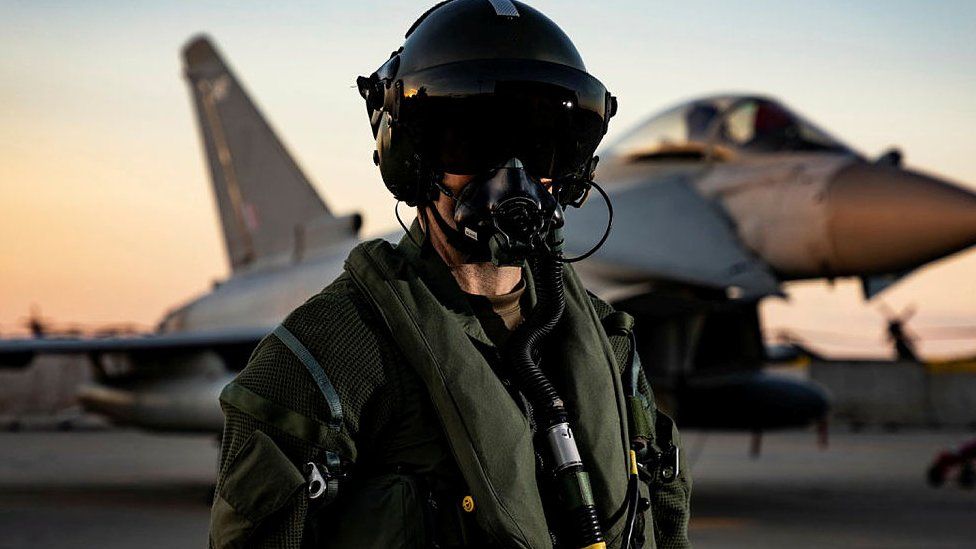
Fighter pilots are trained to remain focused under pressure, make critical decisions, and perform in demanding environments where mistakes can have serious consequences. However, the discipline and strength required for military aviation do not make someone immune to addiction. Behind the uniform and professional responsibilities, some pilots and military personnel struggle with alcohol or drug use, stress, trauma, and mental health challenges. Recognizing the signs of addiction is an important first step toward getting help. With appropriate treatment and individualized support, recovery is possible, and military personnel can begin building a healthier future.
Understanding Addiction Among Fighter Pilots and Military Personnel
Military life can involve intense physical demands, emotional pressure, long periods away from family, and exposure to traumatic experiences. For fighter pilots, the responsibility of operating advanced aircraft and making decisions under extreme pressure can add another layer of stress.
Some individuals may turn to alcohol or drugs as a way to relax, manage difficult emotions, improve sleep, or temporarily escape personal struggles. What begins as occasional use can gradually become a pattern that affects health, relationships, judgment, and everyday responsibilities.
Addiction is not a sign of poor character or a lack of discipline. Substance use disorders are complex health conditions influenced by biological, psychological, and environmental factors. Even highly trained professionals can experience them.
Understanding this is essential. Military personnel deserve access to effective treatment without being defined by their struggles.
Recognizing the Warning Signs of Addiction
Addiction does not always begin with an obvious crisis. In many cases, changes happen gradually. A person may continue performing professional duties while experiencing increasing difficulties in their personal life.
Recognizing these changes early can help prevent further harm.
Changes in Alcohol or Drug Use
One possible warning sign is using substances more frequently or in larger amounts than intended. Someone may begin drinking after every stressful shift, relying on medication without appropriate medical guidance, or using drugs to cope with anxiety and emotional discomfort.
Other signs may include:
- Feeling unable to relax or sleep without alcohol or another substance.
- Making repeated attempts to reduce substance use without success.
- Experiencing strong cravings.
- Spending increasing amounts of time obtaining, using, or recovering from substances.
- Continuing to use despite physical, emotional, or relationship problems.
These patterns deserve attention, even when the individual continues to meet professional expectations.
Emotional and Behavioral Changes
Substance use can also affect mood, concentration, and behavior. A previously dependable person may become unusually irritable, withdrawn, anxious, or secretive.
Other changes can include losing interest in hobbies, avoiding family and friends, experiencing frequent mood swings, or struggling to manage everyday stress.
Some people become skilled at hiding these difficulties. They may maintain a professional appearance while privately dealing with shame, exhaustion, or increasing dependence on substances.
Problems in Personal and Professional Life
Addiction can affect more than physical health. It may create tension in relationships, financial difficulties, missed commitments, and declining performance in daily responsibilities.
For military personnel, concerns about professional reputation or career consequences may make it especially difficult to admit that something is wrong.
However, ignoring the problem can increase the risks. Seeking a professional assessment can help an individual understand what is happening and identify an appropriate course of treatment.
Why Mental Health and Addiction Often Need to Be Treated Together
For some fighter pilots and military members, substance use is connected to unresolved emotional distress. Experiences involving trauma, chronic stress, anxiety, depression, or post-traumatic stress disorder (PTSD) can contribute to unhealthy coping patterns.
Alcohol or drugs may temporarily reduce emotional discomfort, but they do not resolve the underlying problem. Over time, substance use can make mental health symptoms more difficult to manage.
The Connection Between Trauma and Substance Use
Military personnel may experience traumatic events during deployment, training, or other demanding assignments. Some individuals continue to experience intrusive memories, sleep disturbances, emotional numbness, or heightened alertness long after those experiences have ended.
When these symptoms become difficult to manage, substances may seem like an easy way to find temporary relief.
Effective treatment should consider both addiction and mental health needs. Addressing only substance use while overlooking trauma or depression may leave important recovery challenges unresolved.
The Importance of Individualized Mental Health Treatment
Every person’s experiences are different. One military member may need support for alcohol dependence and anxiety, while another may require treatment for prescription drug misuse and trauma-related symptoms.
Individualized care can include:
- One-on-one counseling and psychotherapy.
- Cognitive Behavioral Therapy (CBT).
- Trauma-informed mental health support.
- Group therapy and peer support.
- Relapse prevention planning.
- Guidance for managing stress, sleep, and emotional triggers.
A qualified treatment professional can help determine which approaches are appropriate for each person’s circumstances.
Finding the Right Addiction Treatment Program
Seeking addiction treatment is a practical decision that can protect health and create opportunities for lasting change. The right program depends on the severity of substance use, mental health needs, medical history, and personal responsibilities.
Two common treatment options are inpatient and outpatient care.
Inpatient Addiction Treatment
Inpatient treatment provides a structured environment where individuals receive consistent professional support. It may be appropriate for people experiencing significant substance use problems, complex mental health concerns, or repeated difficulty maintaining recovery without a higher level of care.
Depending on the program, inpatient services may include:
- Medical assessment and supervised withdrawal management when needed.
- Individual and group counseling.
- Mental health treatment.
- Recovery education and practical coping strategies.
- Relapse prevention planning.
- Support for rebuilding healthy daily routines.
Withdrawal from alcohol or certain medications can be medically dangerous. Anyone who may be physically dependent should seek medical advice before stopping suddenly.
Outpatient Addiction Treatment
Outpatient treatment allows individuals to receive professional support while continuing to live at home. Depending on the level of care, appointments may take place several times a week or follow another structured schedule.
This option may work well for people whose clinical needs can be safely managed without residential treatment.
Outpatient services can include counseling, recovery planning, group sessions, and ongoing mental health support. They can also help individuals practice new coping skills while managing family, work, and other responsibilities.
A professional assessment can help determine whether inpatient or outpatient treatment is the safer and more suitable choice.
Building a Stronger Foundation for Long-Term Recovery
Recovery involves more than stopping alcohol or drug use. It also means developing healthier ways to manage stress, rebuild relationships, and create a more stable daily life.
For military personnel, the discipline and teamwork developed through service can become valuable strengths during recovery.
Developing Healthy Ways to Manage Stress
Learning to respond to stress without relying on substances is an important part of treatment. Exercise, consistent sleep habits, mindfulness practices, and healthy social connections can support emotional and physical well-being.
These strategies do not replace professional treatment. Instead, they can complement counseling and other recovery services.
Exploring Faith-Based and Whole-Person Support
Some individuals find strength through spiritual guidance, prayer, or participation in a faith community. When someone wants this type of support, faith-based services can become a meaningful part of an individualized recovery plan.
Other supportive approaches may focus on nutrition, physical wellness, emotional health, and rebuilding a sense of purpose.
The goal is to develop a recovery plan that respects the individual’s values, needs, and personal circumstances.
Creating a Relapse Prevention Plan
Recovery can involve difficult periods, particularly when someone encounters familiar stressors or environments associated with past substance use.
A relapse prevention plan helps identify personal triggers and establish practical responses before challenging situations arise.
This plan may include regular counseling, supportive relationships, healthy routines, and clear steps for seeking help when cravings or emotional difficulties become overwhelming.
Taking the First Step Without Shame
One of the biggest barriers to addiction treatment among military personnel can be the fear of appearing weak or losing the respect of others. Fighter pilots and service members may feel pressure to handle every challenge independently.
However, asking for help is not a failure of discipline. It is a responsible decision that recognizes when professional support is needed.
Concerns about privacy, professional responsibilities, and treatment consequences are also understandable. Before entering a program, individuals can ask providers about confidentiality practices, documentation, and any applicable reporting obligations. Getting accurate information can make the decision to seek care less intimidating.
Family members, trusted friends, and supportive colleagues can also play an important role. Listening without judgment and encouraging professional assessment may help someone feel less isolated.
Conclusion: Strength Includes Knowing When to Seek Help
Fighter pilots and military personnel carry significant responsibilities, but they should not have to face addiction or mental health challenges alone. Substance use can affect people from every background, including those known for their discipline, training, and ability to perform under pressure.
Recognizing the warning signs, understanding the connection between mental health and addiction, and exploring appropriate treatment options can open the door to meaningful change. Whether inpatient or outpatient care is needed, an individualized recovery plan can provide practical tools and professional guidance for moving forward.
If alcohol or drug use is beginning to affect your health, relationships, or daily responsibilities, consider reaching out for professional help. You do not have to wait for a crisis before taking action. A healthier future can begin with one honest conversation and the decision to seek support.